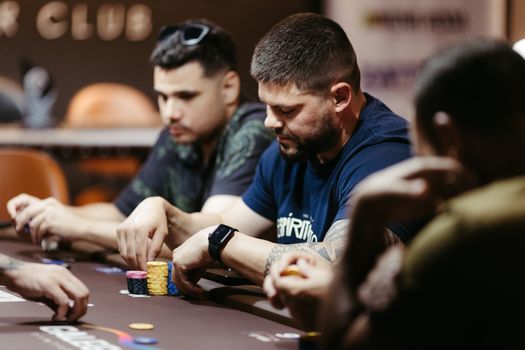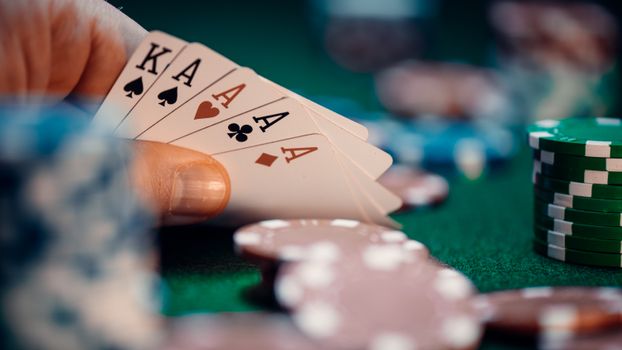
Poker is more than just a game of cards—it's a battle of wits, psychology, and nerves. While understanding the rules and strategies is crucial, the true masters of the game have a distinct edge: they know how to read their opponents. This skill, often called "reading the table," separates average players from consistent winners. But what does it really mean to read your opponents at the poker table, and how can you develop this ability? In this guide, you’ll find practical tips and tricks, rooted in both psychology and game theory, to sharpen your intuition and make better decisions at the felt.
The Power of Observation: Why Reading Opponents Matters in Poker
Reading opponents is the art of interpreting subtle cues—physical, verbal, and behavioral—to gain insight into their hand strength, intentions, and mindset. According to a 2021 PokerStars survey, 78% of professional players credit their success to superior observation skills rather than mathematical prowess alone. In live poker, every gesture, glance, and pause can reveal hidden information. Online, while physical tells are absent, betting patterns and timing tells become even more critical.
Strong observational abilities lead to: - More accurate hand reading - Better bluff catching - Improved value betting - Fewer costly mistakesBy focusing not just on your cards, but on your opponents’ actions and reactions, you can turn incomplete information into a winning edge. Let’s dive into the practical steps to develop this crucial skill.
.png)
Mastering Physical Tells: What to Watch For
Physical tells are involuntary actions or changes in behavior that can indicate the strength or weakness of a player’s hand. While popular culture exaggerates the ease of spotting these tells, research shows that subtle patterns do exist. A study published in the journal "Games and Economic Behavior" found that players unconsciously display more confidence through posture and eye contact when holding strong hands.
Common physical tells include: - Shaky hands: Often a sign of nervousness, which can occur with both strong hands (excitement) and bluffs (anxiety). - Eye contact: Players who avoid eye contact may be bluffing, while those staring you down might be strong—or overcompensating. - Chip handling: Hesitant or fumbling chip movements can suggest uncertainty. - Breathing patterns: Quickened breath can indicate a big pot or a big bluff.However, context is crucial. Some experienced players give off "reverse tells" to deceive observant opponents. Use physical tells as supporting evidence, not definitive proof.
Decoding Betting Patterns: The Language of the Chips
If poker has a universal language, it’s betting patterns. Unlike physical tells, betting behavior is deliberate and often more reliable. Consider these common patterns:
- Consistent bet sizing with strong hands: Many players bet larger amounts with premium hands and smaller with marginal ones. - Sudden aggression: A passive player who suddenly becomes aggressive may have a monster hand or is trying to represent one. - Check-raising: This is often a sign of strength, as it takes confidence to risk a check, hoping to raise. - Overbetting the pot: Often used as a bluff to scare opponents out of the hand.Let’s look at a comparison of common betting patterns and what they may indicate:
| Betting Pattern | Likely Meaning | Example Situation |
|---|---|---|
| Small continuation bets | Weak or drawing hand | Player bets 25% of the pot after raising pre-flop |
| Large river bet | Polarized range (very strong or bluff) | Player bets full pot on river after passive line |
| Check-call, check-call, river lead | Slowplayed strong hand | Player calls two streets, then bets river big |
| Sudden all-in | Desperation or strong draw | Player shoves after missed draws on river |
| Min-raise | Testing or blocking | Player raises minimum post-flop, trying to set price |
Tracking betting patterns over several hands often provides more reliable information than a single tell.
Understanding Player Types: Profiles and Adjustments
Every player brings a unique style to the table, yet most fall into recognizable categories. Identifying player types is a shortcut to predicting behavior and tailoring your strategy. According to analysis by Upswing Poker, over 60% of live poker tables are composed of the following types:
- Tight-Aggressive (TAG): Plays few hands, bets and raises with strength. Generally the most profitable style. - Loose-Aggressive (LAG): Plays many hands, bets and bluffs often. Can be dangerous but exploitable with patience. - Tight-Passive (Rock): Plays very few hands, rarely bluffs. Easy to read and beat with aggression. - Loose-Passive (Calling Station): Plays many hands, calls often, rarely raises. Difficult to bluff but rarely aggressive. To identify these types, watch for: - Number of hands played per orbit - Frequency of raises vs. calls - Willingness to fold to aggressionOnce you spot these patterns, adjust your play. For example, bluff less against calling stations, and value bet big against rocks.
Psychology at the Table: Emotional Tells and Tilt
Poker is as much a psychological battle as a mathematical one. Emotional control—or lack thereof—can leak valuable information to observant players. Watch for signs of tilt, frustration, or overconfidence, as these often precede uncharacteristic play.
Common emotional tells include: - Sighing or body slumping after losing a big hand - Rapid, reckless betting following a bad beat - Overly chatty or silent demeanor shifts - Complaining about luck or other playersAccording to the World Series of Poker, 47% of players admit to making poor decisions after losing a big pot. If you spot an opponent on tilt, adjust by tightening up and letting them make mistakes.
Practical Tips to Sharpen Your Table Reading Skills
Improving your ability to read opponents is not just about observation—it’s about practice, reflection, and adaptation. Here are actionable steps to accelerate your learning:
1. $1 Especially when starting out, choose one opponent per session and try to predict their actions. Take mental notes, and see how often you’re correct. 2. $1 After each session, write down memorable hands and what you observed. Over time, patterns and mistakes will become clear. 3. $1 Observe more when you’re out of the hand—this is when you’re least distracted and can pick up valuable information. 4. $1 Many online sites allow you to review hands and betting patterns, which sharpens your analytical skills even without physical tells. 5. $1 Notice how pros discuss opponents’ tendencies, betting lines, and psychological games.Remember, even the best players are wrong sometimes. The goal is not to be perfect, but to be right more often than your opponents.
Final Thoughts: Turning Observation into Action at the Poker Table
Learning to read opponents is a lifelong journey in poker. The game evolves, and so do players’ strategies and tells. By combining keen observation, logical deduction, and emotional intelligence, you can gain a significant edge—often without ever seeing your opponent’s cards. The practical tips and tricks outlined here are just the beginning. With consistent practice and a willingness to adapt, your skills at reading the table will become as formidable as your technical play.
In the end, poker is not just about playing the cards, but about playing the people behind them. The more you pay attention, the more you’ll discover—and the more chips you’ll stack.